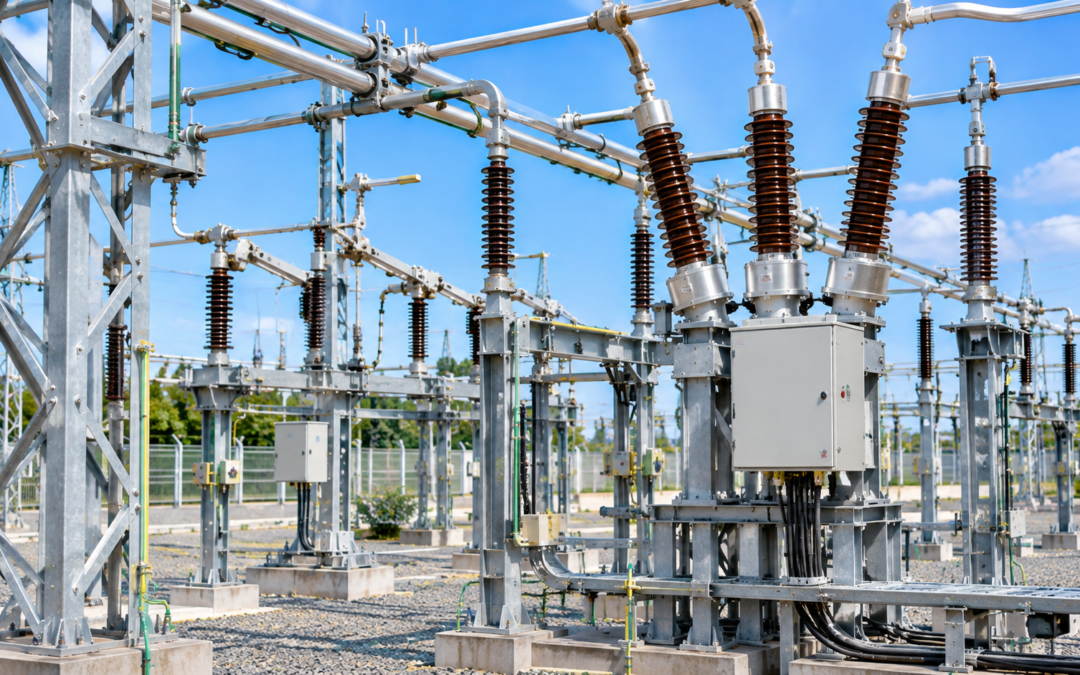
Busbar Protection Schemes are essential for the safe and reliable operation of electrical substations. A busbar acts as a common electrical connection point between incoming feeders, transformers and outgoing circuits. Since several circuits connect to the same...
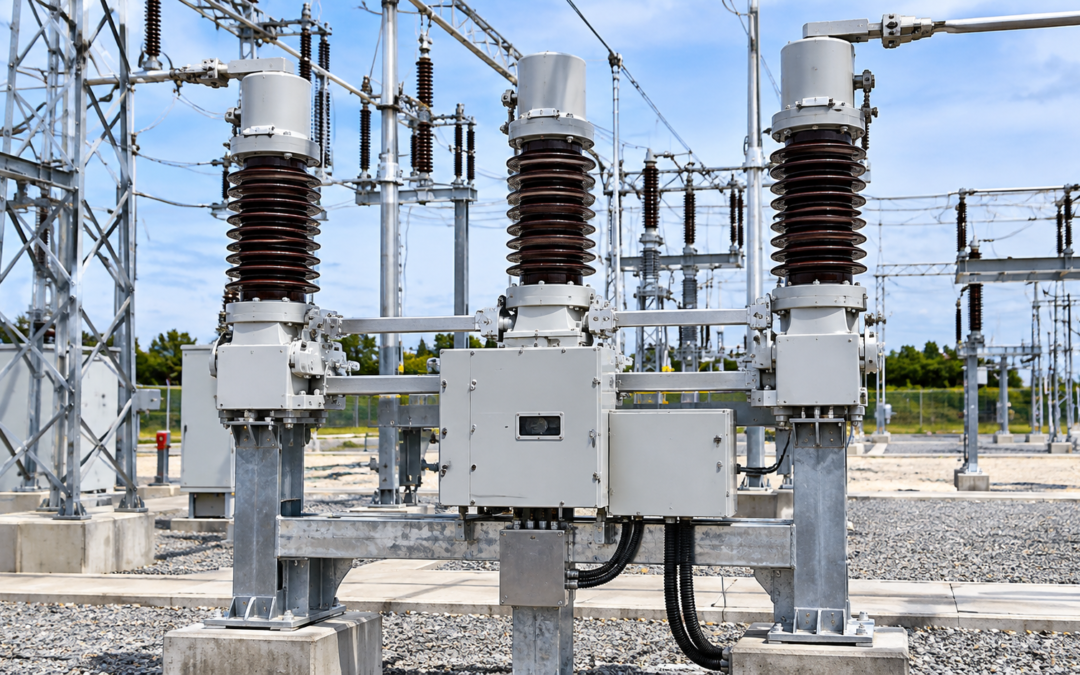
High Voltage Circuit Breaker Selection is an important part of electrical substation engineering. A correctly selected circuit breaker carries normal operating current and interrupts fault current safely when required. Therefore, engineers evaluate rated voltage,...
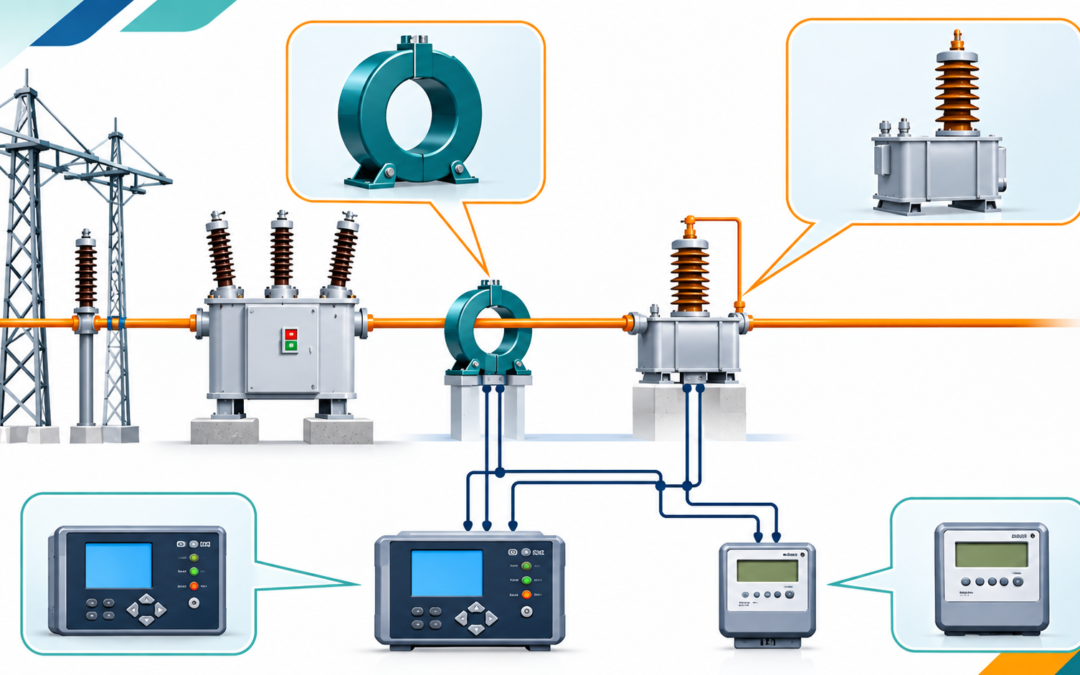
CT and VT Selection is an important part of electrical protection, metering and substation engineering. Current Transformers (CTs) and Voltage Transformers (VTs) provide scaled electrical signals to protection relays, meters and monitoring systems. Therefore,...
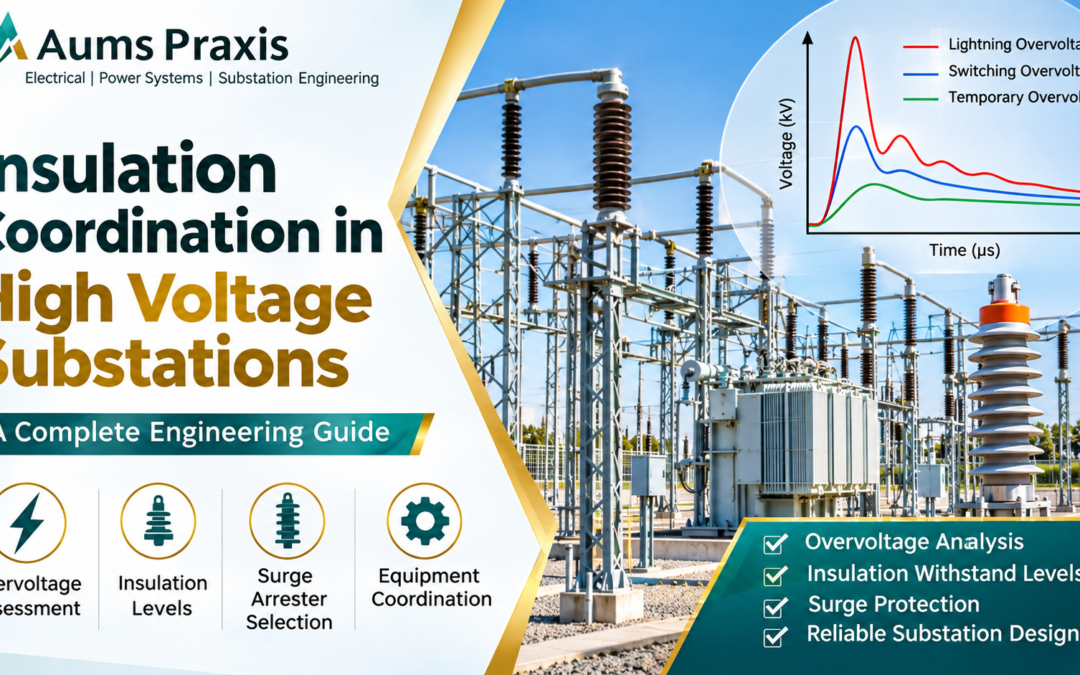
Insulation Coordination in High Voltage Substations is an essential part of high-voltage electrical engineering. It helps engineers evaluate overvoltages, select suitable surge arresters and determine appropriate insulation levels for substation equipment. As a...
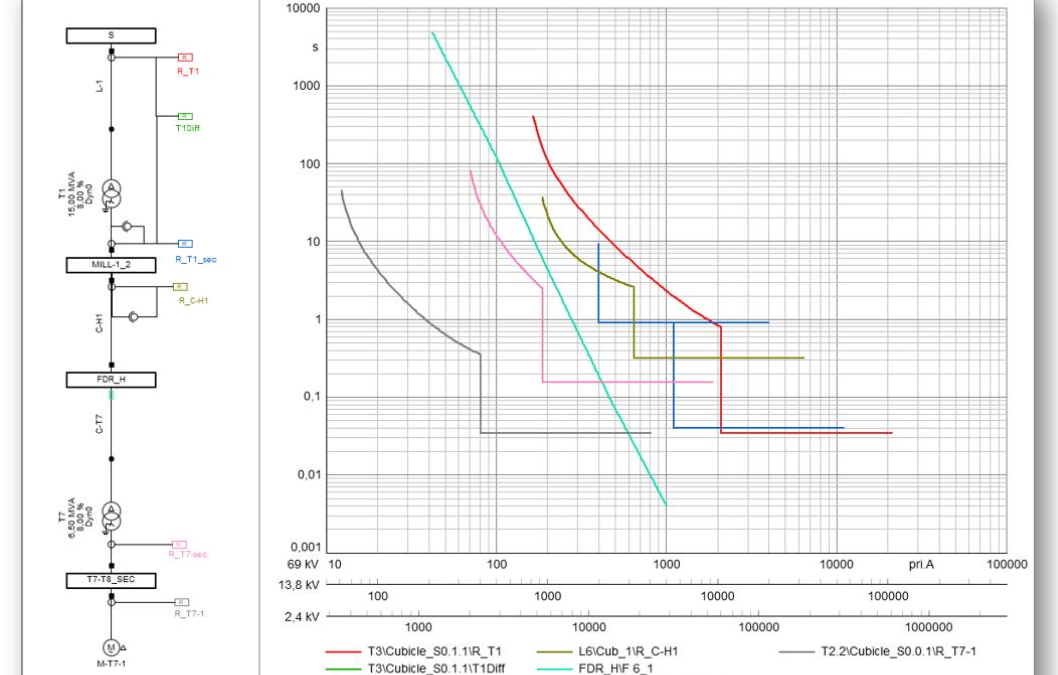
Relay Coordination Study is a key part of electrical protection engineering. In this way, it helps ensure that the protective relay closest to a fault operates first, while upstream devices provide backup if the primary protection or circuit breaker does not clear the...
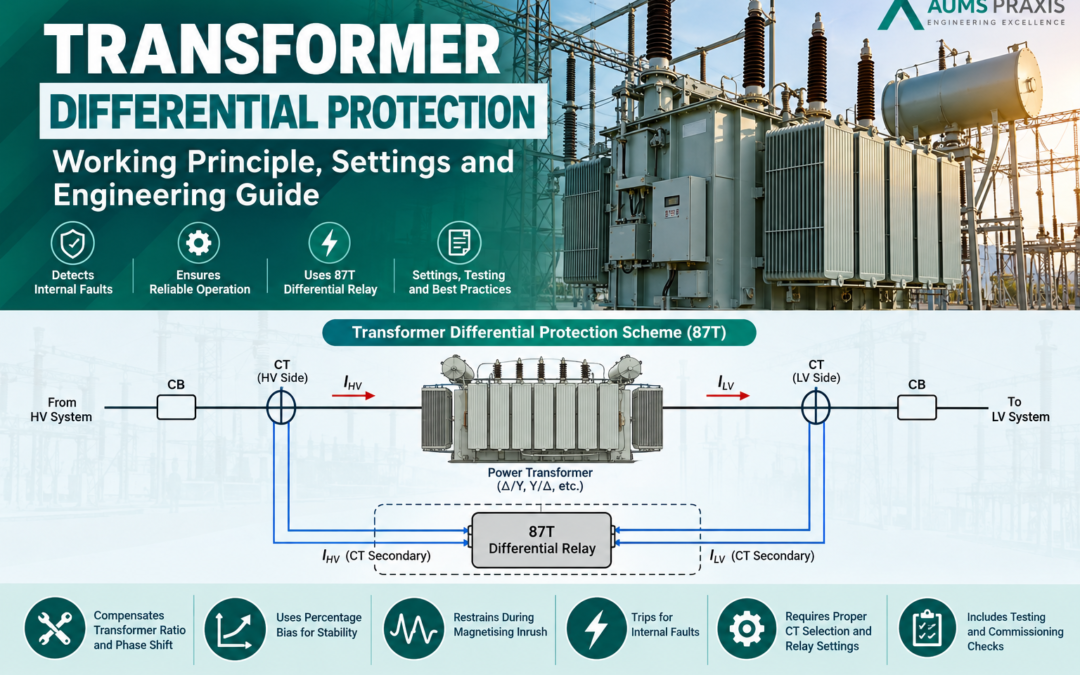
Transformer differential protection is a high-speed electrical protection scheme used to detect internal faults within a power transformer. It compares the currents entering and leaving the protected transformer zone after accounting for current-transformer ratios,...