
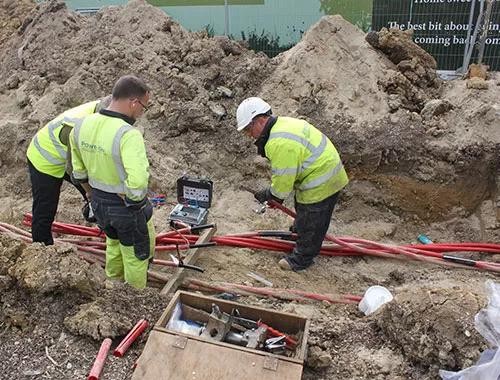
Earthing System Design in Electrical Projects | Complete Guide
Earthing system design in electrical projects is essential for ensuring safety, system stability, and proper functioning of electrical networks. In industrial applications, a well-designed earthing system protects equipment and human life from electrical faults and leakage currents. Therefore, every installation must include an effective grounding system.
Moreover, proper earthing stabilizes voltage levels and improves overall system reliability. As a result, it reduces the risk of electric shocks, equipment damage, and fire hazards. Thus, earthing plays a critical role in electrical system design. You can also understand fault behavior better through short circuit calculation .

Why Earthing System is Important
Earthing provides a safe path for fault currents to flow into the ground. For example, during a short circuit condition, grounding safely dissipates excess current and protects the system. Therefore, proper earthing is essential for electrical safety.
- Protects human life from electric shock
- Prevents equipment damage
- Ensures voltage stability
- Reduces fire risks
Types of Earthing Systems
There are different types of earthing systems used in electrical projects. However, the selection depends on soil conditions, system requirements, and application type.
- Plate Earthing
- Pipe Earthing
- Rod Earthing
- Strip Earthing
Components of Earthing System
An earthing system consists of multiple components that ensure proper grounding. Therefore, selecting the right components is very important.
- Earth electrode
- Earthing conductor
- Earth pit
- Inspection chamber
Additionally, load understanding is important for safe system design. You can also read about electrical load calculation to improve system planning.
Step-by-Step Earthing Design Process
Designing an earthing system requires a structured approach. First, engineers measure soil resistivity. Then, they select a suitable earthing method. After that, they design electrode layout and grounding system. Finally, they test resistance values to ensure safety.
- Measure soil resistivity
- Select earthing type
- Design electrode layout
- Install grounding components
- Test earthing resistance
Common Mistakes to Avoid
Many systems fail due to poor earthing design. However, avoiding common mistakes improves safety and performance.
- Improper soil analysis
- Incorrect electrode selection
- Poor maintenance
- High earthing resistance
Best Practices for Earthing Design
- Follow IEC and safety standards
- Use corrosion-resistant materials
- Perform regular testing
- Ensure proper installation
Conclusion
Earthing system design in electrical projects is essential for safe and reliable operation. Additionally, it improves system performance and ensures protection against faults. Therefore, proper planning and execution are critical for every project.
Related Power System Studies
To gain a deeper understanding of power system analysis and electrical safety, explore our related engineering guides:
- Load Flow Analysis in Electrical Systems
- Arc Flash Study in Electrical Systems
- Electrical Network Analysis in Power Systems
- Harmonic Analysis in Power Systems
For professional engineering consultancy, visit our Power System Studies Services.
Need Expert Earthing Design Services?
Aums Praxis provides professional grounding design, electrical engineering, and safety solutions.
Contact Us NowRelated Articles:
For standards, refer to IEC Electrical Standards.
Trackbacks/Pingbacks