
Power Factor Correction in Electrical Systems (Complete Guide)
Power factor correction in electrical systems improves energy efficiency and reduces electricity costs. In industrial applications, maintaining an optimal power factor is very important. Additionally, it helps reduce energy losses and improves system performance.
Poor power factor leads to higher electricity bills and equipment inefficiency. Moreover, it can cause voltage drops and system instability. Therefore, industries must implement proper correction techniques. You can also understand system performance better by reading voltage drop calculation and electrical load calculation .
What is Power Factor?
Power factor represents how efficiently electrical power is being used. It is the ratio of real power (kW) to apparent power (kVA). Therefore, a higher value indicates better system efficiency.
- Unity Power Factor: Ideal condition (1.0)
- Lagging Power Factor: Common in inductive loads
- Leading Power Factor: Occurs with capacitive loads
Why Power Factor Correction is Important
Firstly, improving power factor reduces electricity bills. Moreover, it improves voltage stability and reduces transmission losses. In addition, it increases the efficiency of electrical systems.
- Reduced electricity cost
- Improved system efficiency
- Lower power losses
- Better voltage regulation
Causes of Low Power Factor
Low power factor mainly occurs due to inductive loads. For example, motors and transformers consume reactive power. Therefore, correction methods are required to improve system efficiency.
- Induction motors
- Transformers
- Welding machines
- Fluorescent lighting systems
Power Factor Correction Methods
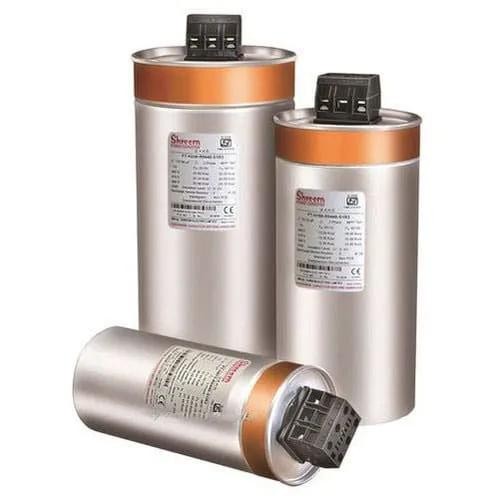
There are different methods available to improve power factor. However, capacitor banks are the most commonly used solution. In addition, advanced systems are used in large industrial applications.
- Capacitor Banks: Most efficient and widely used
- Synchronous Condenser: Used in large power systems
- Static VAR Compensator: Advanced correction system
In addition, proper system protection and fault analysis are important. You can also read about short circuit calculation to understand fault conditions.
Power Factor Calculation
The power factor can be calculated using the following formula:
Power Factor = kW / kVA
Step-by-Step Power Factor Correction Process
- Measure the existing power factor
- Calculate required reactive power
- Select appropriate capacitor bank
- Install correction system
- Monitor system performance regularly
Common Mistakes to Avoid
- Overcompensation of power factor
- Ignoring load variation
- Poor capacitor maintenance
- Incorrect system sizing
Best Practices for Power Factor Correction
To achieve the best results, engineers must follow proper practices. Additionally, regular monitoring ensures long-term efficiency. However, selecting the right equipment is equally important.
- Use automatic capacitor banks
- Maintain power factor between 0.95–1.0
- Perform regular maintenance
- Follow electrical standards
Electrical engineering practices should be evaluated according to applicable standards and project requirements. For reference, engineers can consult the International Electrotechnical Commission (IEC) .
Related Electrical Topics
Conclusion
In conclusion, power factor correction in electrical systems improves efficiency and reduces costs. Additionally, it enhances system reliability and overall performance. Therefore, implementing proper correction methods is essential for industrial systems.
Related Power System Studies
To gain a deeper understanding of power system analysis and electrical safety, explore our related engineering guides:
- Load Flow Analysis in Electrical Systems
- Arc Flash Study in Electrical Systems
- Electrical Network Analysis in Power Systems
- Harmonic Analysis in Power Systems
For professional engineering consultancy, visit our Power System Studies Services .
Need Power Factor Correction Solutions?
Aums Praxis provides expert electrical design, capacitor bank solutions, and energy optimization services for industrial projects.
Contact Us Now