Substation design for power projects is essential for developing safe, reliable, and efficient electrical substations. Substations enable the transmission, distribution, and control of electrical power across industrial, commercial, and utility systems.
Additionally, growing energy demand and renewable integration require increasingly sophisticated substation infrastructure. Therefore, professional Substation Design Engineering Services have become essential for reliable and efficient power system operation.
Furthermore, well-designed substations improve operational safety, system reliability, and long-term asset performance.
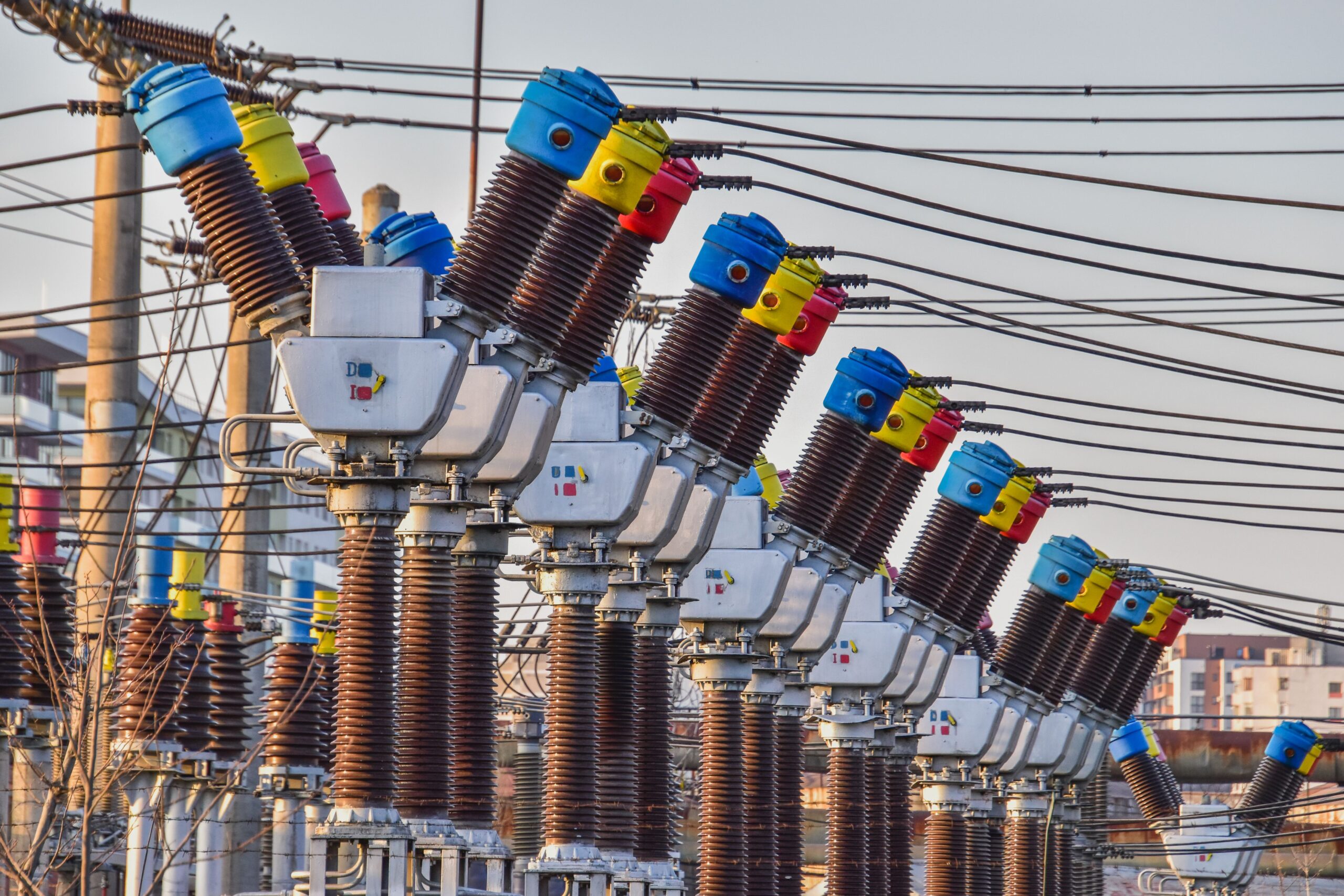
Substation Design for Power Projects
Substation design engineering involves planning, designing, and optimizing electrical substations used in transmission and distribution networks.
Engineers develop layouts, equipment specifications, protection schemes, grounding systems, and electrical studies to ensure compliance with industry standards.
As a result, substations operate safely and efficiently throughout their lifecycle.
Why Substation Design Is Important
- Improves network reliability
- Supports safe power distribution
- Reduces operational risks
- Enhances equipment protection
- Improves maintenance efficiency
- Supports future expansion
Moreover, proper design helps utilities minimize outages and improve overall power quality.
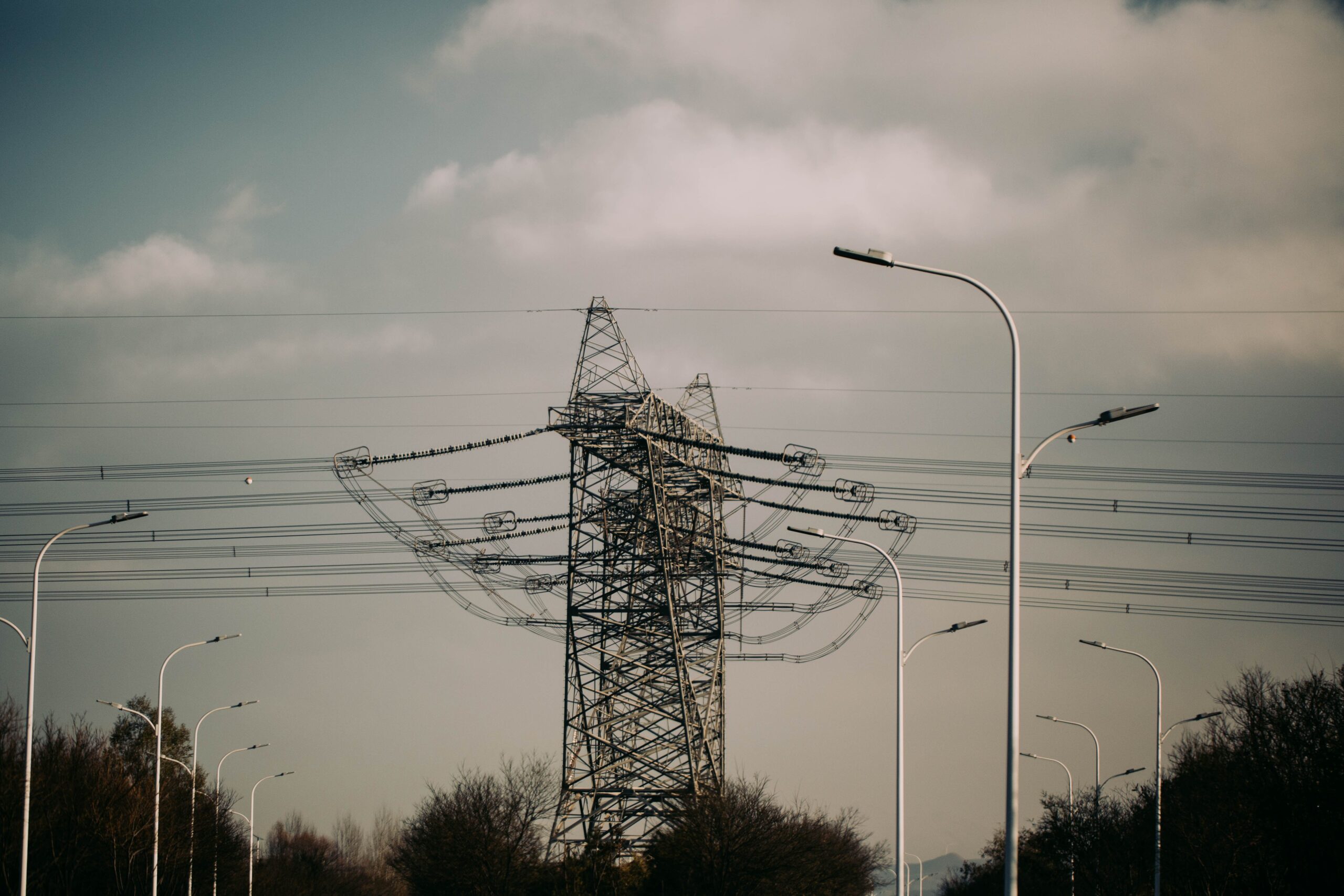
Key Components of Substation Design
1. Electrical Layout Design
Initially, engineers develop substation layouts that optimize equipment placement and operational efficiency.
2. Primary Equipment Selection
Subsequently, transformers, switchgear, circuit breakers, and other critical equipment are selected based on project requirements.
3. Protection and Control Systems
Furthermore, protection systems are designed to detect faults and maintain safe operation.
4. Earthing and Grounding Design
Meanwhile, grounding systems protect personnel and equipment from fault currents and dangerous voltages.
5. Civil and Structural Design
Finally, engineers design foundations, structures, cable trenches, and supporting infrastructure.
Types of Substations
- Transmission Substations
- Distribution Substations
- GIS Substations
- AIS Substations
- Industrial Substations
- Renewable Energy Substations
Similarly, each substation type requires specialized engineering approaches and design methodologies.
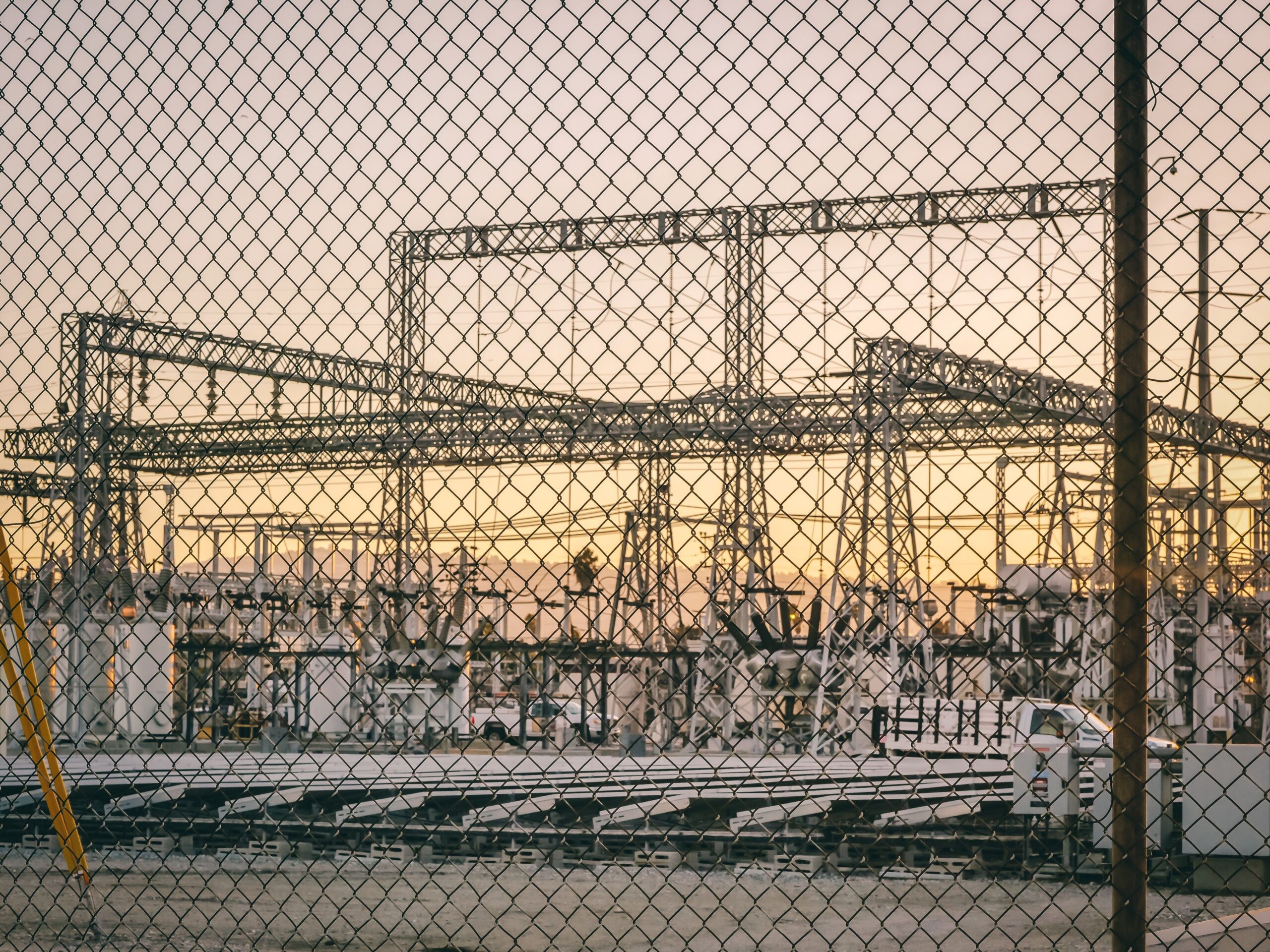
Substation Design and Power System Studies
Substation projects often require comprehensive engineering studies before construction begins.
Learn more: Power System Studies & Electrical Network Analysis
Consequently, accurate study results help engineers optimize performance, safety, and compliance.
Role of Protection Design in Substations
Protection systems are essential components of modern substations.
Explore: Protection Design Services for Electrical Networks
Likewise, effective protection design improves fault isolation and minimizes operational disruptions.
Benefits of Professional Substation Design Engineering Services
- Improved safety
- Enhanced reliability
- Reduced lifecycle costs
- Optimized equipment performance
- Regulatory compliance
- Future-ready infrastructure
- Long-term operational efficiency
Ultimately, professional engineering support ensures successful project delivery and long-term network performance.
Related Engineering Services
- Power System Studies
- Earthing & Grounding Design Services
- ICP Contestable Design Services
- IEEE Engineering Standards
Conclusion
Substation Design Engineering Services are essential for developing reliable, safe, and efficient electrical infrastructure.
Therefore, utilities, industrial facilities, and developers should prioritize professional substation engineering during every stage of project development.
Need Substation Design Engineering Services?
Aums Praxis provides substation engineering, protection design, grounding studies, power system analysis, and electrical infrastructure consultancy for projects up to 400kV.
Contact Us Now